

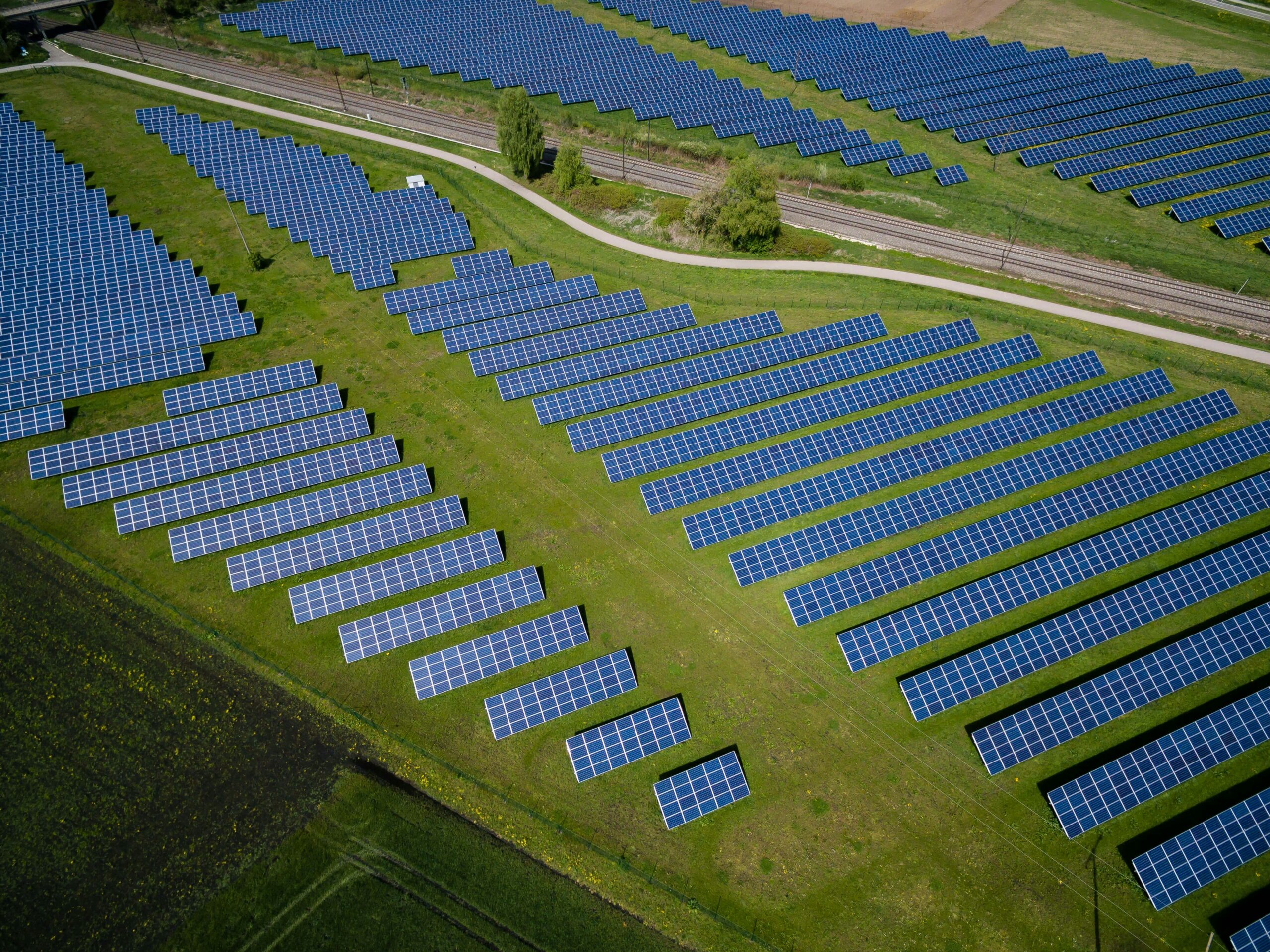
The global transition toward a cleaner and more sustainable energy future has reached a critical tipping point for modern infrastructure. We no longer live in an era where we can rely solely on old, centralized power plants that burn fossil fuels around the clock.
Today, our electrical grids must handle a complex mix of renewable sources like wind and solar, which bring both benefits and technical challenges. This shift requires a massive upgrade in how we manage, store, and distribute electricity to ensure the lights stay on during extreme weather.
Sustainable energy technology offers the perfect solution to build a resilient grid that can bounce back from sudden disruptions or surges in demand. By integrating smart sensors and advanced battery systems, we transform a passive network into a dynamic and intelligent ecosystem.
This digital and physical overhaul protects our homes and businesses from the growing threat of regional blackouts and energy shortages.
Embracing these innovations allows us to lower our carbon footprint while simultaneously increasing the reliability of our essential services. The marriage of green power and high-tech management defines the next chapter of our global energy story.
A. Advanced Battery Storage and Frequency Regulation

Large-scale battery storage systems act as the primary buffer for a modern grid that relies on intermittent renewable energy. These massive installations store excess power when the sun is shining or the wind is blowing and release it instantly when demand spikes.
Beyond just storing energy, these batteries provide vital frequency regulation services that keep the electrical current stable and safe for sensitive electronics.
This technology prevents the “flickering” or voltage drops that can damage industrial machinery and home appliances. By placing these storage units at strategic points, we can balance the load without needing to fire up dirty backup generators.
From my perspective, many property owners worry about the rising cost of electricity during peak evening hours. You can solve this problem by installing a “behind-the-meter” battery system that works in tandem with the larger grid.
This allows you to store cheap energy during the day and use it when prices go up at night. It effectively turns your home into a tiny power plant that saves you money while also helping the entire neighborhood stay stable during a heatwave.
B. Microgrids for Localized Energy Independence
Microgrids represent a decentralized approach to power where small communities or industrial parks can operate independently from the main grid. These systems integrate local solar panels, wind turbines, and small-scale storage to create a self-sufficient energy bubble.
During a major storm or a regional grid failure, a microgrid can “island” itself, meaning it disconnects from the main lines and continues to provide power to its local users.
This localized resilience is essential for hospitals, data centers, and emergency services that simply cannot afford a second of downtime. It creates a bottom-up security model that protects our most critical infrastructure from large-scale systemic failures.
I see many businesses struggling with the fear of unpredictable blackouts that ruin productivity and damage inventory. You should look into forming a local energy cooperative that shares a microgrid with nearby neighbors to split the initial costs.
This collaboration solves the high entry price of energy independence while providing a solid safety net for everyone involved. It changes the way we think about utility service from a distant corporation to a local community asset that you actually control.
C. Smart Grid Sensors and Real Time Analytics
A truly resilient grid needs to “see” and “feel” what is happening across thousands of miles of transmission lines. Smart sensors and Internet of Things (IoT) devices now monitor current flow, temperature, and equipment health in real time to identify potential failures before they happen.
These sensors feed data into advanced AI models that can predict where a tree limb might fall on a line or where a transformer is about to overheat.
This proactive maintenance allows utility companies to fix problems during a sunny afternoon rather than during a dangerous midnight storm. It transforms the grid into a self-diagnostic machine that minimizes human error and speeds up recovery times.
The real trouble for most consumers is the lack of information during a power outage which leads to unnecessary panic and confusion. You can solve this by using smart home monitors that sync with these grid sensors to give you real-time updates on your phone.
Knowing exactly when your power will return allows you to plan your day and protect your family with confidence. This transparency bridges the gap between the giant utility company and the individual household, creating a much more honest and efficient relationship.
D. Vehicle to Grid (V2G) Technology Integration
Electric vehicles are no longer just a mode of transportation; they are moving battery packs that can support the grid during emergencies. Vehicle-to-Grid (V2G) technology allows cars to push electricity back into the house or the main grid when demand is at its absolute highest.
This creates a massive, distributed battery network that can provide gigawatts of power without building a single new power plant.
As more people switch to electric cars, this collective energy pool becomes a vital tool for preventing blackouts during extreme summer or winter peaks. It turns every driveway into a part of the national defense strategy against energy instability.
Most people hesitate to use their car battery because they fear they won’t have enough charge for their morning commute. You can solve this by setting “minimum charge” limits in your V2G app so the grid only takes what you can spare for a profit.
This allows you to earn passive income by selling power back to the company while you sleep, effectively letting your car pay for itself. It is a win-win situation where you help the planet stay green and your wallet stay full at the same time.
E. AI Driven Demand Response Programs
Demand response is a smart strategy where the grid “asks” buildings to temporarily lower their power usage during a critical peak. AI software manages this process by automatically adjusting thermostats by a few degrees or delaying a dishwasher cycle by an hour across thousands of homes.
These tiny changes are barely noticeable to the individual, but they add up to a massive reduction in total load that can save the grid from collapsing.
This digital coordination replaces the need to build expensive and dirty “peaker” plants that only run a few days a year. It is a highly efficient way to manage our resources using data instead of raw fuel.
Many people feel uncomfortable with a utility company “controlling” their appliances, which is a very valid privacy concern. You can solve this by choosing an “opt-in” program where you set the rules for which devices the system can adjust and when.
By taking an active role in these programs, you get lower rates and the satisfaction of knowing you are personally preventing a neighborhood blackout. It turns a passive bill-paying experience into an active contribution toward a more stable and sustainable world for everyone.
Conclusion

Sustainable energy tech is the only path to a truly resilient future. These tools protect our homes from the growing risk of blackouts. You can finally trust your power grid to stay online today. Technology allows us to manage our resources with incredible and fast precision.
Smart sensors and batteries ensure that every home stays very safe. Trust the innovation to keep your essential services running well. Localized microgrids provide the independence that every community really needs.
You no longer have to rely on a single central point. This creates a much stronger and more reliable energy system. Your electric car is now a powerful tool for global stability. Selling power back to the grid is a very smart move.
This earns you money while helping your local neighbors too. Data-driven solutions replace the need for dirty and old power plants. We can balance the load using only smart and clean code. This protects our planet while securing our modern way of life.
Don’t let the fear of change stop your personal progress now. The digital era offers amazing tools for every smart energy user. Take the lead and secure your home’s energy future today. Building a resilient world takes time and the right green tech.
Innovation provides the security that your family truly deserves now. Success is certain when your power is always under control.

