

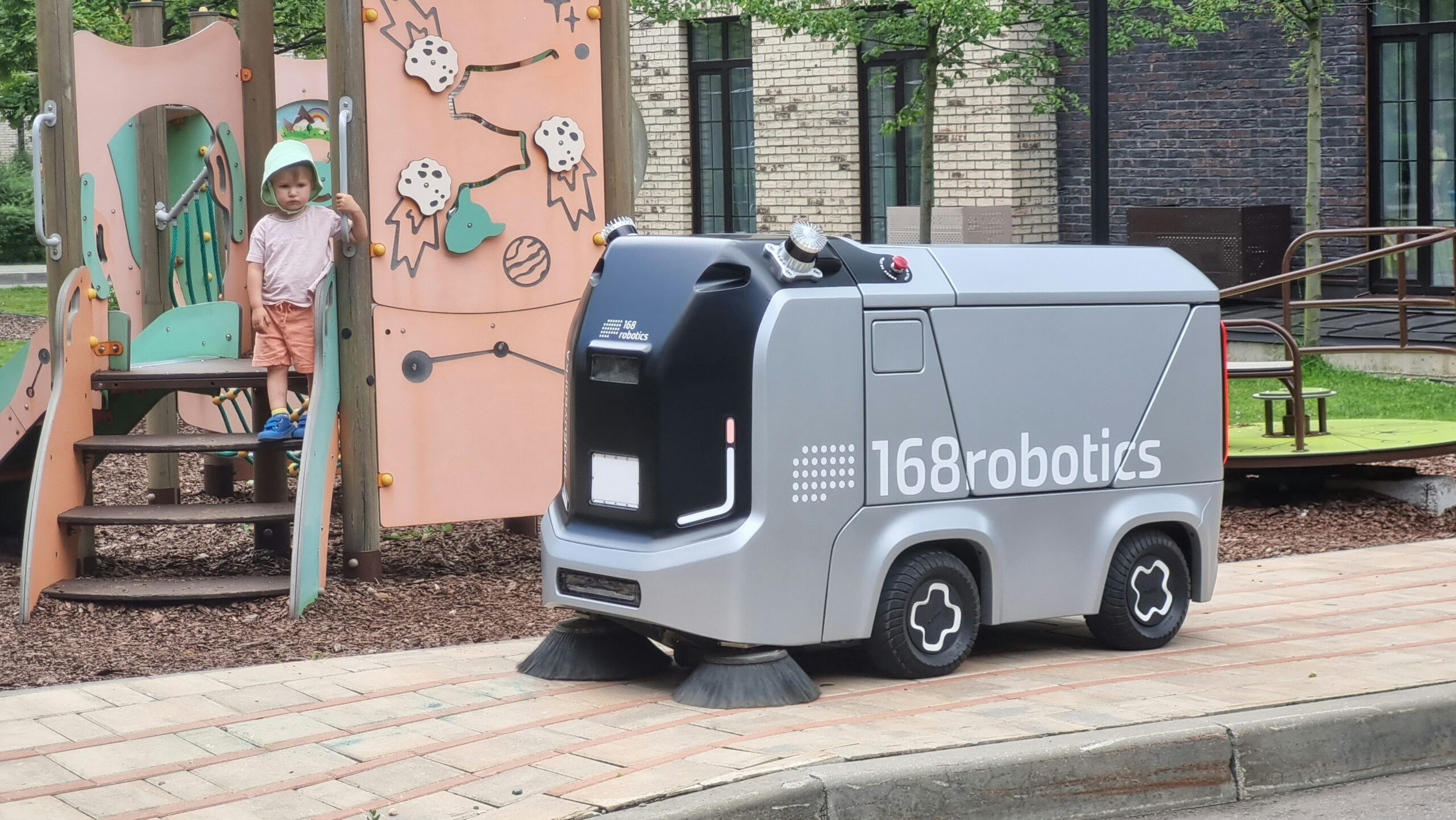
The rapid expansion of global commerce has placed immense pressure on the traditional logistics framework to deliver goods faster and more accurately than ever before.
For decades, warehouses relied heavily on manual labor to sort, pack, and move products across vast distribution centers, a process that often led to delays and human error. However, the rise of autonomous robotics is now transforming these facilities into high-tech hubs of speed and precision.
These intelligent machines utilize advanced sensors and artificial intelligence to navigate complex environments without the need for constant human supervision.
By integrating robotics into the supply chain, companies can handle a much higher volume of orders while maintaining a small physical footprint. This shift toward automation allows businesses to meet the demanding expectations of modern consumers who want their packages delivered almost instantly.
Beyond just speed, autonomous systems provide a level of data-driven insight that helps managers optimize every inch of their floor space.
We are witnessing a total overhaul of the logistics industry where technology serves as the backbone of every successful delivery. Embracing this robotic revolution is no longer an option for companies that want to remain competitive in a fast-paced market.
A. Automated Guided Vehicles for Heavy Transport

Automated Guided Vehicles (AGVs) serve as the heavy lifters of the modern warehouse by transporting massive pallets across the facility with ease. These robots follow pre-defined paths or use sophisticated mapping software to move heavy loads from the receiving dock to the storage racks.
By taking over the physically demanding task of moving heavy goods, AGVs significantly reduce the risk of workplace injuries and physical strain on human workers. They operate with a level of consistency that ensures the flow of materials remains steady even during peak holiday seasons.
From my perspective, many small warehouse owners fear that AGVs require a complete floor renovation, but modern “natural navigation” robots don’t need wires or magnets in the floor. You can solve your space constraints by choosing modular AGVs that learn your existing layout in just a few hours.
This allows you to scale your operations slowly without committing to a massive construction project. It effectively turns your current warehouse into a smart facility with very little downtime.
B. Autonomous Mobile Robots for Picking and Sorting
Autonomous Mobile Robots (AMRs) represent a more flexible class of machines that work alongside humans to speed up the picking process. Unlike older systems, AMRs can identify obstacles and change their path in real-time, making them perfect for busy environments where people and machines mingle.
These robots carry bins to human pickers, which eliminates the miles of walking that warehouse staff usually endure every single day. This collaboration boosts the number of units processed per hour and keeps the staff energized and focused on more complex tasks.
I see many managers struggling with high turnover rates because the job of a picker is often exhausting and boring. You should use AMRs to “gamify” the picking process by letting the robots handle the long walks while your team focuses on the technical side of sorting.
This solves your staffing issues by making the job less physically demanding and much more tech-oriented. It turns a manual labor role into a collaborative tech position that attracts better talent.
C. Drone Technology for Rapid Inventory Audits
Drones are changing the way we look at inventory management by performing rapid aerial audits in massive high-ceiling warehouses. Instead of sending a worker up on a lift to scan barcodes manually, a drone can fly through the aisles and scan thousands of items in a fraction of the time.
This technology provides real-time data on stock levels, helping to prevent the dreaded “out-of-stock” scenarios that frustrate customers. Drones can reach the highest shelves safely and provide a bird’s-eye view of the entire facility’s organization.
The biggest problem with manual audits is that they are often prone to human error and can take days to complete. You can solve this by scheduling autonomous drone flights during the night when the warehouse is quiet and dark.
This gives you a perfectly accurate inventory report every single morning without interrupting your daily shipping schedule. It provides a level of data accuracy that makes your financial planning much more solid.
D. Robotic Arms for Precision Packing and Sorting
High-speed robotic arms have become essential for the packing stage where accuracy is vital to prevent shipping mistakes. These arms use computer vision to recognize different shapes and sizes of products, placing them into boxes with perfect alignment to save space.
They can also apply labels and sort packages into different bins based on their destination zip code with incredible speed. This automation ensures that the final step of the logistics process is just as efficient as the first, reducing the chance of a package being sent to the wrong city.
Most businesses find that their biggest waste happens during the packing phase due to oversized boxes and excessive tape usage. You can solve this by using robotic arms that calculate the exact volume of the item and select the smallest possible box.
This saves you a massive amount of money on shipping costs and packing materials over the long term. It is a simple way to make your business more sustainable while increasing your profit margins.
E. Last Mile Delivery Bots for Urban Logistics
The “last mile” is often the most expensive and complex part of the delivery process, but small autonomous delivery bots are solving this puzzle. ini These small, sidewalk-roaming robots can navigate city streets to deliver small packages or food directly to a customer’s doorstep.
They reduce the need for large delivery trucks that clog up city traffic and produce high levels of carbon emissions. By using a fleet of small bots, companies can offer local delivery windows that are much more precise and affordable for the end user.
Consumers often complain about missing their delivery because they weren’t home when the big truck arrived. You can solve this by allowing customers to summon a delivery bot only when they are actually ready to receive it.
This “on-demand” model gives the power back to the customer and ensures a 100% successful delivery rate. It transforms the delivery experience from a waiting game into a convenient service that fits into a busy lifestyle.
Conclusion

Autonomous robotics is the best way to grow your logistics business. It provides the speed that modern customers always expect today. You can finally trust your warehouse to run very smoothly. Technology allows us to move goods with incredible and fast precision.
Smart machines ensure that your delivery never fails its goal. Trust the innovation to keep your customers very happy now. Operational efficiency helps you save a huge amount of money fast. You no longer have to worry about rising labor costs.
This stability is the secret to a very profitable year. Staff members enjoy working with high-tech tools in the warehouse. The robots handle the danger while people handle the strategy. This creates a very safe and modern environment for everyone.
Inventory data is now always accurate and easy to read. You can see every single item on your phone instantly. This level of control makes your business much more reliable. Don’t let the old ways of logistics slow your progress.
The digital era offers amazing tools for every smart owner. Take the lead and secure your company’s future today. Building a resilient supply chain takes the right tech tools. Robotics provide the foundation that your brand really deserves. Success is certain when your logistics are always on time.

