

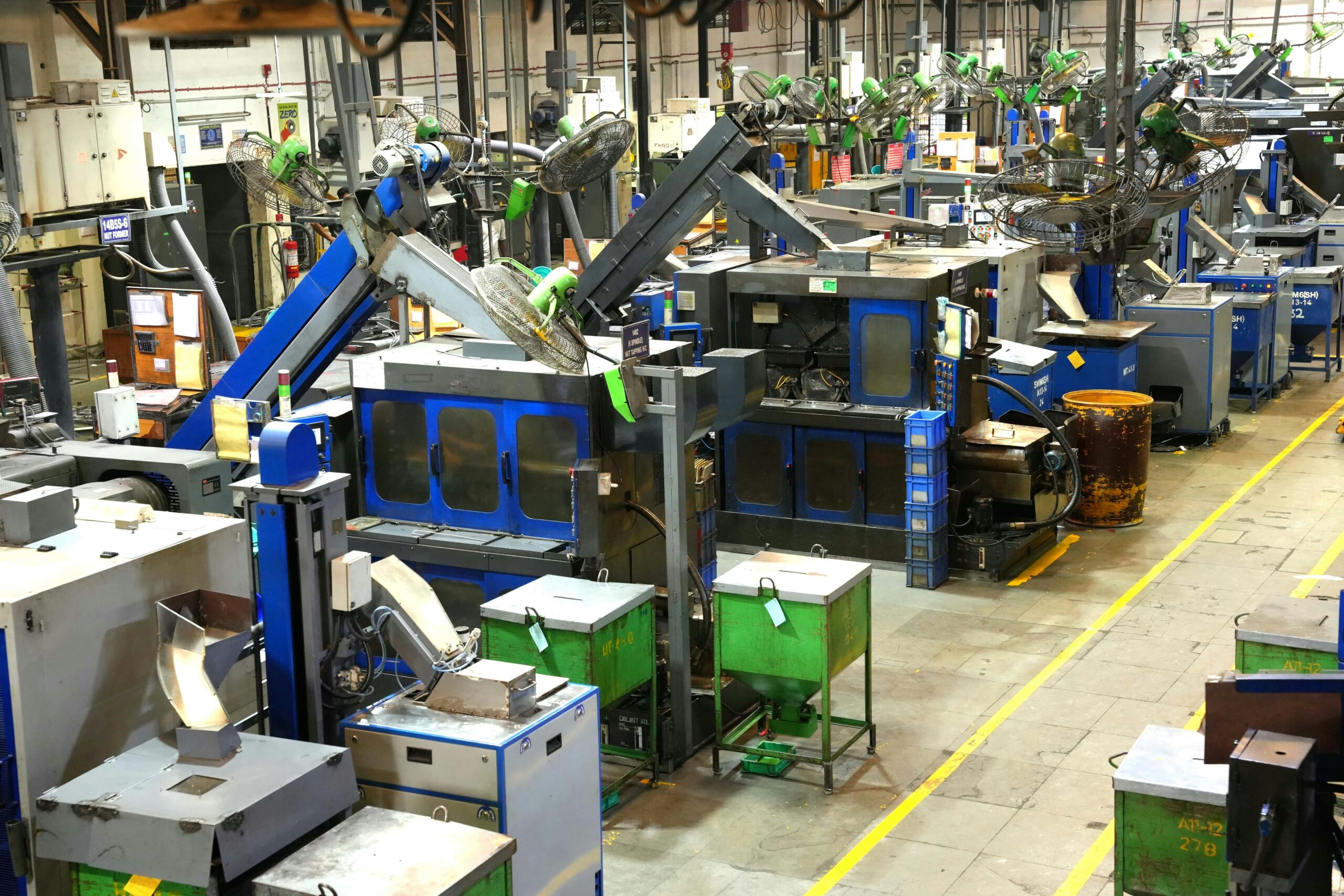
The integration of Physical AI into the industrial manufacturing sector marks a massive leap toward truly autonomous factories. Unlike traditional software that only processes data on a screen, Physical AI allows machines to sense, reason, and interact with the physical world in real-time.
This technology combines advanced robotics with powerful machine learning to solve complex problems on the production line that humans used to handle manually.
Manufacturers are now deploying these smart systems to increase speed, reduce waste, and ensure a level of precision that was previously impossible. By giving “brains” to mechanical arms and assembly systems, businesses can adapt to changes in production without needing a total system overhaul.
This shift toward intelligent hardware is not just a trend; it is the fundamental foundation of the next industrial revolution. As global competition heats up, companies that embrace Physical AI will find themselves leading the market in efficiency and innovation.
This digital and physical marriage allows us to bridge the gap between abstract data and concrete execution on the factory floor. Embracing this change means moving toward a future where machines learn from their environments to protect your bottom line and your workers.
A. Real Time Adaptive Robotics on the Assembly Line

Physical AI transforms standard industrial robots into adaptive systems that can “see” and “feel” the components they handle. Traditional robots follow a rigid path and fail if a part is slightly out of place, causing expensive production halts.
Adaptive robotics use computer vision and tactile sensors to adjust their movements instantly, allowing them to pick up objects in any orientation. This flexibility reduces the need for expensive custom tooling and allows a single robot to handle multiple different tasks throughout a single shift.
I have observed that many factory owners struggle with the high cost of reconfiguring lines for new products. You can solve this problem by investing in Physical AI that learns new shapes through simulation before ever touching a real part.
This “transfer learning” means your robots become productive on day one without weeks of manual programming. It effectively turns your hardware into a versatile asset that grows alongside your business needs.
B. Predictive Maintenance Through Deep Sensor Integration
Physical AI systems excel at monitoring their own health by analyzing vibrations, heat, and sound patterns deep within the machinery. Instead of waiting for a part to break and stop the entire line, the AI predicts exactly when a component will fail.
It then alerts the maintenance team to perform a quick fix during a planned break, which saves thousands of dollars in emergency repair costs. This proactive approach ensures that your equipment stays in peak condition for a much longer period, maximizing your return on investment.
Many managers view maintenance as a necessary evil that interrupts their workflow and drains their budget. You should use Physical AI as a “digital doctor” that provides a constant health score for every machine on your floor.
This transparency allows you to plan your repairs based on actual wear and tear rather than a generic calendar. It solves the issue of replacing perfectly good parts while missing the ones that are truly about to snap.
C. Enhanced Safety and Human Robot Collaboration
The introduction of Physical AI allows humans and robots to work side-by-side in a “collaborative” environment without safety cages. These smart systems use LiDAR and ultrasonic sensors to create a safety bubble around themselves, slowing down or stopping if a human enters their space.
This interaction increases productivity because it allows workers to handle tasks that require creativity while the AI handles the heavy lifting. By removing the physical barriers between man and machine, factories become much more space-efficient and dynamic.
Safety protocols often feel like a bottleneck that slows down your fastest workers on the floor. You can solve this by deploying AI that understands human intent and predicts where a worker is moving next.
This advanced awareness allows the robot to work at full speed while still ensuring a zero-accident environment. It transforms the robot from a dangerous tool into a helpful and aware teammate.
D. Edge Computing for Instant Decision Making
Physical AI relies on edge computing to process data directly on the machine rather than sending it to a distant cloud server. This localized processing allows for “zero-latency” decisions, which are vital when a machine needs to react to a sudden mechanical error in milliseconds.
By keeping the intelligence at the edge, factories reduce their reliance on external internet connections and protect their data from potential cyber threats. It ensures that your production line remains stable and responsive even if the wider network faces an outage.
The real trouble with cloud-based systems is the “lag” that can cause a robot to miss a fast-moving part on the belt. You should prioritize edge-enabled Physical AI to ensure your machines always act with the highest level of responsiveness.
This solves the problem of data bottlenecks and keeps your production speed at its absolute maximum. It gives you a localized brain that never stops thinking, even when the internet goes down.
E. Optimizing Material Usage and Waste Reduction
Intelligent manufacturing systems use Physical AI to analyze the quality of raw materials as they enter the production cycle. If a piece of metal or plastic has a defect, the AI identifies it instantly and adjusts the process to compensate or removes the part before value is added.
This precision drastically reduces the amount of scrap material and ensures that every finished product meets the highest quality standards. By minimizing waste, companies not only save money but also reach their sustainability goals much faster.
Waste is often the silent killer of profitability in high-volume manufacturing environments. I suggest you use AI-driven vision systems to perform a “micro-audit” of every single component in real-time. This solves the issue of “hidden defects” that usually only appear after the product reaches the customer.
It protects your brand reputation while putting more money back into your pocket through material efficiency.
Conclusion

Physical AI is the true future of modern manufacturing. It provides the speed that traditional systems cannot offer. You can finally experience a very smooth process. Technology removes the human error from every single task.
Smart machines ensure that you get your money fast. Trust the data to protect your factory and workers. The digital era demands a much higher standard of service. Fast production is now a requirement for every business.
Choose a partner that values your time and peace. The learning curve for these smart systems is small. Most platforms offer simple steps for every single user. Anyone can manage a successful factory with these tools.
Your financial security depends on having a reliable system. Physical AI settle tasks without any drama or delay. This allows you to focus on growing your life. Don’t let slow and old systems hold you back. The technology for instant manufacturing is already here today.
Take the lead and secure your assets with automation. Building a resilient future takes the right digital tools. Innovation provides the safety that you really need now. Take control of your risks and enjoy success.

