

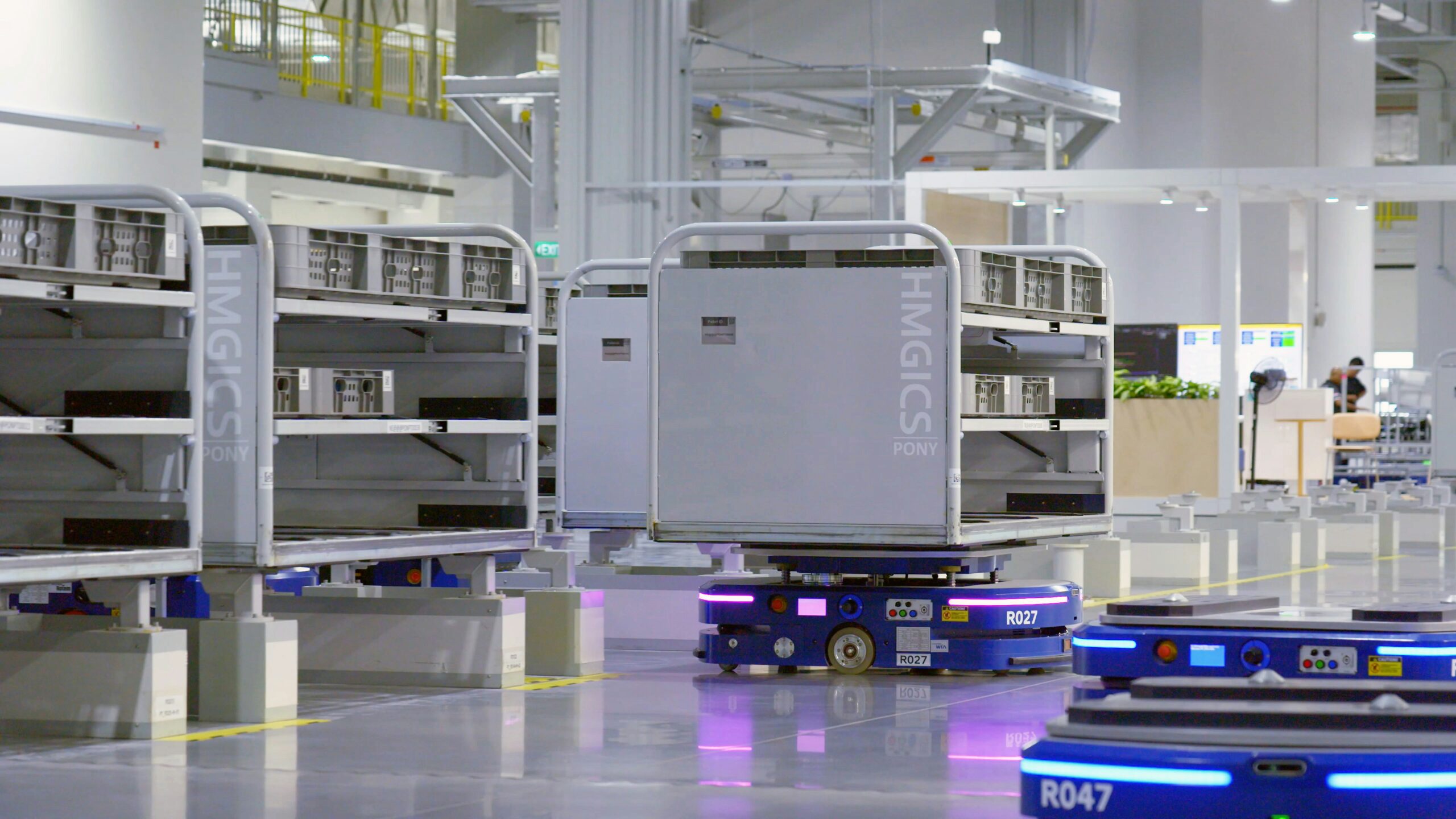
The rapid evolution of industrial technology has pushed the modern factory toward a level of intelligence that was once only found in science fiction. Today, next-generation robotics serve as the primary engine for this transformation, moving far beyond the simple, repetitive arms of the past.
These advanced machines now integrate complex sensors, high-speed connectivity, and adaptive learning to handle tasks with incredible precision and speed.
In a smart factory setting, robots no longer operate in isolation but communicate with each other and the central cloud to optimize the entire production flow. This digital nervous system allows a facility to adjust its output in real-time based on fluctuating market demands or supply chain changes.
Furthermore, the modern workforce is seeing a massive shift as these robots take on the most dangerous and physically exhausting roles, creating a safer environment for human employees.
By adopting these cutting-edge systems, manufacturers can drastically reduce operational downtime and eliminate the costly errors associated with manual labor.
We are entering an era where the factory floor is a dynamic, self-healing ecosystem that prioritizes efficiency and sustainability above all else. Understanding how to implement and scale these robotic solutions is the key to surviving and thriving in the competitive global market.
A. Autonomous Mobile Robots for Dynamic Navigation

Autonomous Mobile Robots (AMRs) represent a massive leap forward in how materials move across the factory floor without human intervention. Unlike older transport systems that required tracks or wires, AMRs use sophisticated LiDAR and camera systems to map their surroundings in three dimensions.
They can detect a stray pallet or a walking employee and instantly calculate a new route to reach their destination without stopping. This fluidity ensures that the supply of parts to the assembly line remains constant, preventing the expensive “bottlenecks” that often plague traditional manufacturing.
In my view, many managers worry that their floor layout is too messy for robots to handle effectively. You can solve this hesitation by using AMRs that feature “slam” technology, which allows them to learn and adapt to a changing environment every single day.
This means you don’t have to clean your entire warehouse just to get the robots working. It turns your current, imperfect space into a high-functioning logistics hub without any major structural changes.
B. Collaborative Robots Enhancing Human Productivity
Collaborative robots, or “cobots,” are specifically designed to work safely alongside human operators in a shared workspace. These machines feature force-limited joints and soft-touch sensors that allow them to stop immediately if they make contact with a person.
Cobots are perfect for tasks like precision glueing, small-part assembly, or kitting, where the robot handles the steady work while the human handles the complex logic. This partnership allows factories to maintain high-quality standards while keeping the human touch where it is needed most.
The real problem for many small businesses is the high cost of specialized programming for every new robotic task. You should choose cobots that feature “lead-through” programming, where a worker can simply move the robot arm by hand to teach it a new path.
This solves the technical barrier and empowers your existing staff to become robotic “trainers” rather than just operators. it bridges the gap between old-school craftsmanship and new-age digital speed.
C. Predictive Maintenance with Smart Sensor Arrays
Next-gen robotics do not just perform tasks; they also monitor their own mechanical health using a vast network of internal and external sensors. These sensors track temperature, vibration, and torque levels to identify early signs of wear and tear before a component actually fails.
By using this data, the smart factory can schedule maintenance during a natural break in production, avoiding the disaster of an unexpected mid-shift breakdown. This proactive approach extends the lifespan of the hardware and keeps the return on investment high for years.
Many owners treat maintenance like an emergency response, which is a very expensive way to run a business. I suggest you look at your robots as “living” assets that provide a constant stream of health data to your mobile device.
This solves the stress of uncertainty because you always know exactly how much life is left in your equipment. It moves your operation from a “break-fix” mentality to a “predict-prevent” strategy that saves a fortune in the long run.
D. Cloud Integration and Real Time Data Analytics
When you connect your robotic fleet to the cloud, you unlock a level of operational visibility that was previously impossible. Each robot sends performance data to a central dashboard, allowing managers to see exactly where efficiency is lagging in real-time.
This connectivity also enables “over-the-air” updates, meaning your robots can receive new skills and software improvements without a technician ever visiting the site.
This digital integration ensures that your factory stays at the cutting edge of technology without needing to replace physical hardware every few years.
Data overload is a common complaint among executives who feel overwhelmed by too many charts and numbers. You can solve this by using AI-driven analytics that filter the data into three or four “key action items” each morning.
This allows you to make fast, strategic decisions without getting bogged down in the technical minutiae of every machine. It transforms raw data into a clear roadmap for your company’s daily growth and success.
E. Vision Systems for Superior Quality Control
High-speed vision systems allow next-gen robots to perform quality inspections that are much more accurate than the human eye. These systems can check thousands of parts per minute for microscopic cracks, color variations, or incorrect dimensions.
If a defect is found, the robot can instantly sort the part into a “reject” bin, ensuring that only perfect products reach your customers. This level of consistency protects your brand reputation and reduces the high cost of product recalls or customer returns.
Traditional quality control is often a slow “post-production” process that finds errors far too late. You should integrate vision systems directly into the “work-in-progress” phase so the AI catches mistakes the moment they happen.
This solves the problem of wasting raw materials on a product that was already broken in step one. It makes your production line “self-correcting” and ensures that your waste levels stay as close to zero as possible.
Conclusion

Next-gen robotics is the best foundation for a smart factory. It provides the speed that modern markets always demand. You can finally trust your production to run well. Technology allows us to work with total and fast precision.
Smart machines ensure that your quality never fails today. Trust the innovation to keep your factory very productive. Operational costs drop significantly when you use smart automation. You no longer have to worry about expensive human errors.
This stability is the key to your long-term success. The workplace becomes much safer for all your employees. Robots handle the heavy lifting while people handle strategy. This creates a very modern and happy team environment.
Data-driven decisions help you grow your business very fast. You can see every small detail on your screen instantly. This level of control makes your life much easier. Don’t let the old ways of manufacturing slow you down.
The digital era offers amazing tools for every smart owner. Take the lead and secure your company’s future today. Building a resilient empire takes the right tech strategy. Advanced robotics provide the power that your brand deserves. Success is certain when your factory is always smart.

