

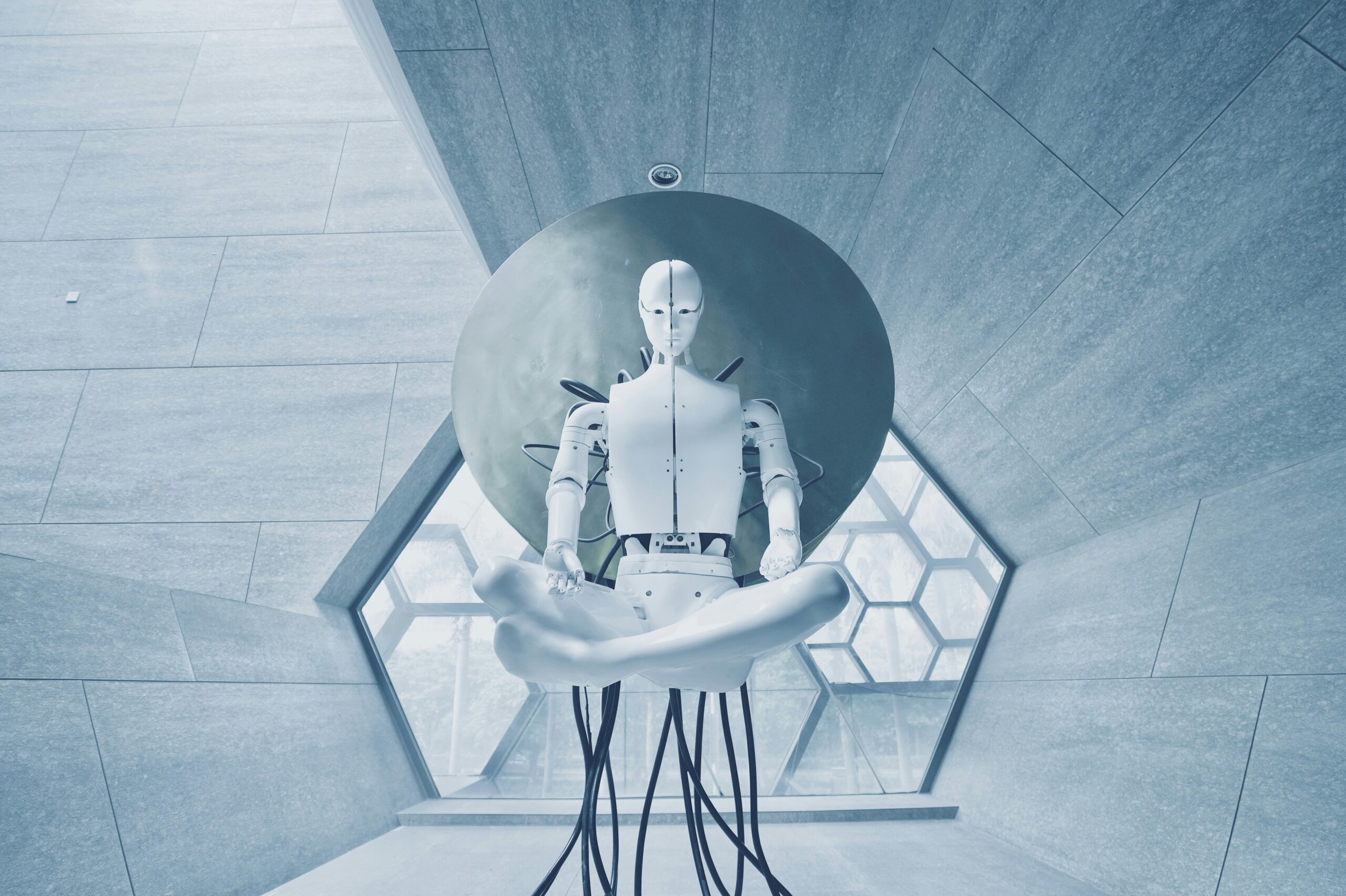
The arrival of humanoid robots in the workplace marks one of the most significant shifts in industrial history since the first assembly line. For a long time, robots were stationary machines bolted to factory floors, capable only of performing repetitive and highly specific tasks within a cage.
Today, advanced engineering and sophisticated artificial intelligence allow these machines to walk, balance, and interact with the world just like humans do. These robots can navigate complex environments, climb stairs, and use their hands to manipulate tools that people designed for themselves.
Businesses across the globe are quickly realizing that these humanoid forms offer a unique solution to labor shortages and dangerous working conditions.
By integrating these robots into the daily workflow, companies can handle the heavy lifting while allowing human employees to focus on creative problem-solving. This evolution does not just speed up production; it changes the very nature of how we perceive physical labor in a digital age.
We are entering a new era where technology acts as a direct extension of human capability, bridging the gap between digital intelligence and physical execution. Embracing this change is the key to building a resilient and competitive business in an increasingly automated world.
A. Mastering Dull and Dangerous Industrial Tasks

Humanoid robots excel in environments that present significant risks to human health or safety. They can handle toxic chemicals, work in extreme temperatures, and lift heavy loads without suffering from physical fatigue or long-term injury.
Modern manufacturers use these robots to perform “dull” tasks that often lead to human error due to boredom or exhaustion.
By taking over these roles, humanoid machines ensure a consistent level of quality and precision that remains stable throughout a twenty-four-hour shift. This transition allows companies to maintain high production speeds while drastically reducing the number of workplace accidents.
Many workers fear that robots will take their jobs, but the reality is that robots take the “tasks” people usually hate doing. You can solve the problem of low employee morale by assigning these repetitive chores to a humanoid assistant.
This allows your team to move into supervisory roles where they manage the fleet and handle the complex logic that AI still struggles with. It transforms a physically draining job into a high-tech career that values the human mind over simple muscle power.
B. Enhancing Logistics and Warehouse Efficiency
The logistics sector faces massive pressure from the growth of e-commerce, and humanoid robots are stepping in to manage the chaos. Unlike traditional automated carts, humanoid robots can reach high shelves, unload trucks, and move through narrow aisles designed for people.
They use advanced computer vision to identify different types of packages and handle them with the appropriate amount of force to avoid damage.
This flexibility means that warehouse owners do not need to spend millions of dollars redesigning their entire facility to accommodate automation. The robots simply walk into the existing space and start working alongside the current team.
The biggest bottleneck in any warehouse is the physical exhaustion of staff during peak seasons like holidays. You should view humanoid robots as a “scalable workforce” that you can deploy during busy times without the long process of hiring and training new temporary staff.
This solves your seasonal labor gaps and ensures that your customers receive their orders on time, every time. It creates a much more predictable and reliable supply chain that can handle any sudden spike in market demand.
C. Collaborative Robots in Professional Services
We are now seeing humanoid robots move beyond the factory walls and into professional service roles like hospitality and healthcare. These robots can assist elderly patients with mobility, deliver supplies in hospitals, or greet guests at a hotel reception desk.
They use natural language processing to understand and respond to human speech, making the interaction feel more personal and helpful. In these settings, the humanoid form is vital because it creates a sense of familiarity and trust that a boxy machine cannot provide.
They act as “cobots,” working directly with human staff to improve the overall quality of care and service.
Many service providers struggle with “burnout” among their staff who spend too much time on administrative or physical errands. You can solve this by letting a humanoid robot handle the delivery of food, linens, or paperwork so your staff can focus on the emotional needs of the clients.
This improves the customer experience significantly because your human employees are no longer rushed or stressed. It allows your business to offer a premium level of personal attention while the robot handles the logistical background tasks.
D. Solving the Global Labor Shortage
Many developed nations are facing a shrinking workforce due to aging populations and a lack of interest in physical labor roles. Humanoid robots provide a mechanical answer to this demographic shift by filling the roles that would otherwise remain vacant.
They allow industries like construction and agriculture to continue growing even when there are not enough human workers to fill the positions.
This technology ensures that the economy remains stable and that essential services continue to function without interruption. By investing in robotics, countries can maintain their industrial output and protect their standard of living for the long term.
The real problem for most small businesses is the rising cost of labor and the difficulty of finding reliable help. I suggest you look at “Robotics-as-a-Service” models where you can lease a humanoid worker instead of buying one outright.
This solves the high entry cost and allows you to benefit from the latest technology without a massive initial investment. It levels the playing field, giving smaller companies the same technological power that massive corporations have used for years.
E. Advanced Training through Digital Twins
Humanoid robots are incredibly smart because they train in virtual environments before they ever step onto a real-world floor. Engineers create a “Digital Twin” of the robot and the workplace, allowing the AI to practice tasks millions of times in a simulation.
This ensures that when the robot starts its job, it already knows exactly how to handle every tool and navigate every corner.
This simulation-based learning makes the deployment process very fast and minimizes the risk of expensive mistakes in the physical world. It allows for a level of preparation and optimization that was once impossible in traditional industrial training.
Most managers worry about the “learning curve” and the time it takes to set up a new automated system. You can solve this by demanding “pre-trained” humanoid models that have already mastered the specific tasks of your industry in a virtual world.
This means you can achieve a “plug-and-play” experience where the robot becomes productive on its very first day of work. It removes the technical headache of programming and lets you focus on the results of your new automated workforce.
Conclusion

Humanoid robots are the best partners for the modern global workforce. They provide the physical power that businesses truly need today. You can finally grow your company without any labor limits. Technology allows us to work much safer and faster than before.
Smart machines handle the danger while people handle the strategy. Trust the innovation to keep your workplace very efficient now. Labor shortages are no longer a threat to your personal success. Robots fill the gaps and keep our global economy moving.
This creates a very stable future for every single industry. Automation makes your daily operations much more predictable and smooth. You get a high level of quality that never fails. This builds deep trust with your customers and your partners.
Don’t let the fear of change stop your business progress. The digital era offers amazing tools for every smart leader. Take the lead and secure your company’s future today. Building a resilient team takes the right high-tech tools.
Humanoid robots provide the support that your staff really deserves. Success is certain when humans and robots work together well.

